Small Acreage Homes Near Nampa and Caldwell: A Buyer's Guide
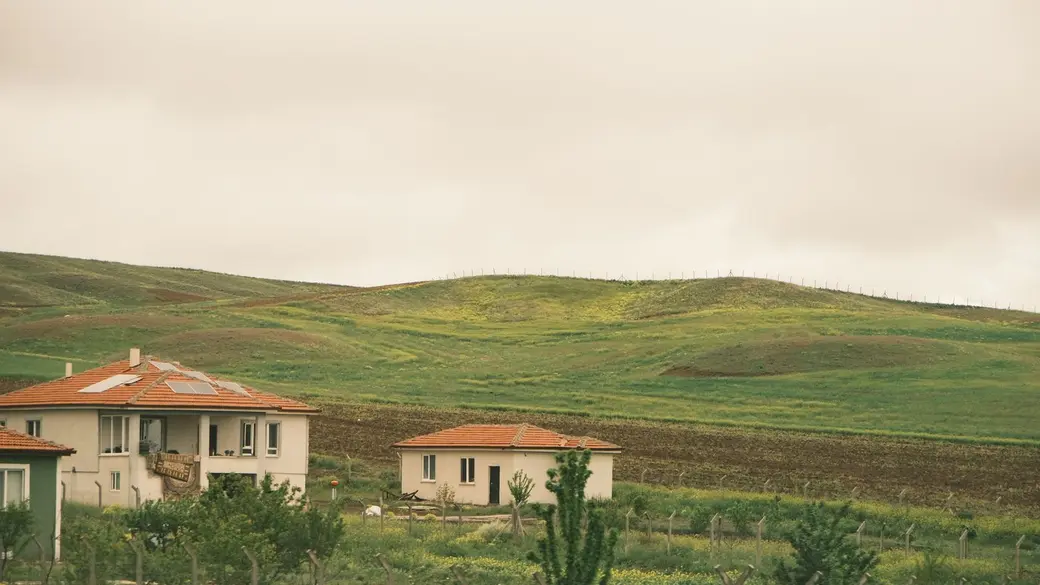
For many buyers, a small acreage property represents a middle ground: more room than a typical subdivision lot, but not the workload of a full farm. Around Nampa and Caldwell, a few acres can give you space for a garden, a shop, and a quieter pace while keeping schools, shopping, and medical care within reach. Buying one is different from buying a house in town. Here is what to consider before you start your search.
Start With How You Want to Use the Land
Acreage is only one number. Two properties with the same lot size can feel completely different because of their shape, slope, access, and improvements. One may offer a flat pasture and a long driveway; another may be mostly hillside with a small usable yard. Before you shop, decide what the land needs to do for you: privacy, room for animals, a large shop, equipment storage, or simply space between neighbors.
Rank those priorities. Writing them down keeps the search focused and makes it easier to compare properties that look similar in photos but differ in practical value.
Understand Zoning and Animal Rules
Confirm what the property is zoned for and whether your planned use is allowed. Rules can vary between counties and cities, and some parcels have limits on the number of animals, the size of outbuildings, or the number of dwellings. If you plan to keep horses, chickens, goats, or other livestock, ask about those limits before you fall in love with a property.
Also look at the surrounding land. A property can be rural today and still sit near a planned development or a city's growth boundary. Ask about future land use and nearby projects so there are no surprises.
Plan for Water and Irrigation
Water is one of the most important differences between a home in town and a small acreage property. Many rural homes use a well, and some properties also include irrigation shares or a shared water system. Ask about the well's capacity, water quality, and any maintenance history. If irrigation is included, confirm how it is delivered and what it costs to maintain.
A dry year can reveal weaknesses that a normal year hides. Ask the seller about any water issues and review the available records. If the property has a pond or seasonal creek, understand how it is used and whether it is part of your legal water supply.
Check the Septic System
Many acreage properties rely on septic rather than city sewer. Ask when the system was installed, where it is located, and when it was last inspected or pumped. A professional inspection can tell you whether the system is working properly and whether it fits the home's bedroom count.
Do not skip this step. Replacing a failing septic system is a significant expense, and the rules for a replacement can affect where it can be installed. Understanding the system now is far better than discovering a problem after closing.
Look Carefully at the Buildings
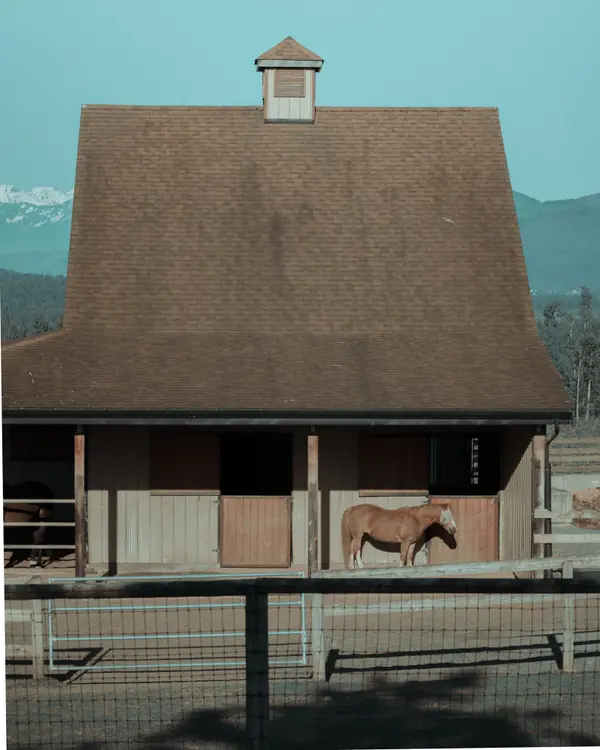
Barns, shops, and garages are often a big reason buyers choose acreage. Inspect them for structural condition, electrical service, and usable space. Consider the ceiling height, door width, and floor strength if you plan to store equipment or work on vehicles. Ask whether the buildings were permitted and whether they appear on county records.
Outbuildings can also need maintenance. A roof, foundation, or wiring issue may not be obvious during a quick tour. If a building matters to your plans, bring the right inspector or contractor and get an estimate before you make an offer.
Think About Access and Roads
Access affects daily life more than many buyers expect. A long gravel drive, a shared road, or a steep approach can be fine in summer and challenging in winter. Ask who maintains the road and how maintenance costs are shared. If snow removal is not provided, plan for the equipment and time required.
Check turnaround space for trucks, trailers, and delivery vehicles. Also consider how emergency vehicles would reach the home. These details are easy to overlook when the property looks peaceful and private.
Budget Beyond the Purchase Price
Acreage often comes with costs that a subdivision home does not: fencing, gravel, drainage work, well maintenance, and equipment. Some buyers also choose to add a shop, a barn, or landscaping over time. Build a realistic maintenance reserve into your budget and get estimates for any work you plan to do soon after moving in.
Financing can also differ on rural properties. Talk with a lender early about acreage limits, well and septic requirements, and any appraisal considerations. Knowing the rules before you shop can save time later.
Tour With a Checklist
Walk the property, not just the house. Look at the boundaries, the drainage, the well and septic areas, and the condition of the fencing and outbuildings. Take photos and notes as you go. Visit at a different time of day if possible, and ask about anything that does not look right.
Small acreage can be a wonderful fit for the right buyer, but it rewards preparation. With a clear plan and the right questions, you can find a property that supports the life you want without unexpected surprises.
Kecia Mortenson helps buyers explore small acreage homes around Nampa, Caldwell, and the wider Treasure Valley. Browse the Small Acreage Homes page, review current Idaho listings, or contact Kecia to discuss your acreage goals.
Categories
Recent Posts





GET MORE INFORMATION