Buying an Equestrian Property in Idaho: Important Considerations
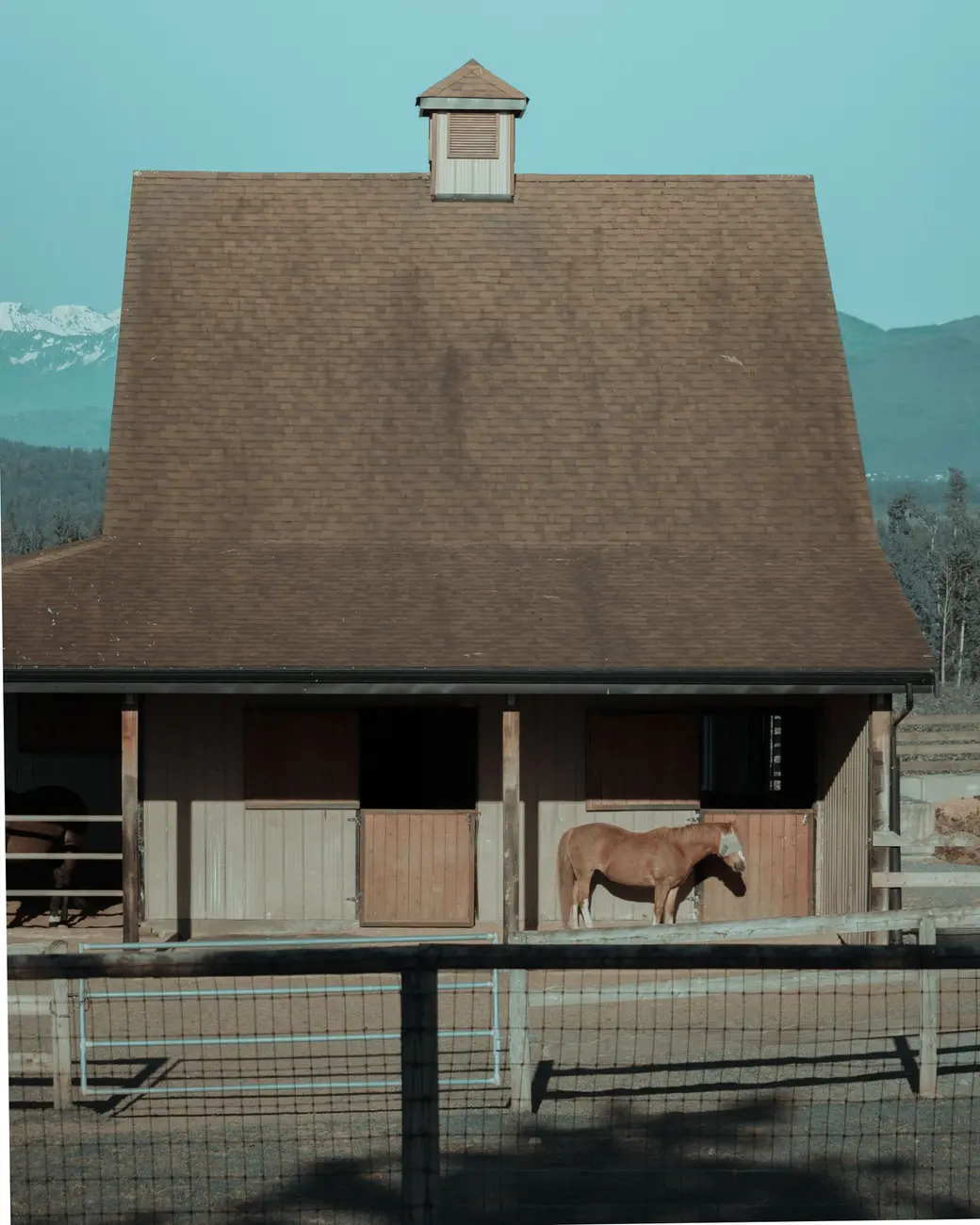
An equestrian property is more than a house with extra land. It is a working system of barns, pastures, fencing, water, access roads, and zoning rules that all need to fit the way you care for your horses. In Idaho, the right property can offer room to ride, four distinct seasons, and access to open country. The wrong one can turn every chore into a project. Here is what to examine before you make an offer.
Start With How You Keep Your Horses
Every buyer arrives with a different routine. Some want a small barn and a few acres for personal horses. Others need multiple stalls, a covered arena, hay storage, and space for a trailer and equipment. Before touring properties, write down your daily and seasonal needs: number of horses, stall requirements, turnout time, riding discipline, farrier and vet access, and how much hay and bedding you need to store.
That list becomes a filter. A property that looks ideal in photos may lack the ceiling height, drainage, or driveway turning radius your setup requires. A practical property may not photograph as well but may save you years of expensive improvements.
Zoning, Land Use, and HOA Rules
Confirm that the property allows the animals and structures you plan to have. Zoning rules vary between counties and cities, and a parcel that allows horses may still limit the number of animals, the size of a barn, or the placement of an arena. If the property is inside a subdivision, review the HOA documents for restrictions on outbuildings, fencing, trailers, and livestock.
Ask about existing permits and whether any structures were built without them. Unpermitted barns, additions, or arenas can create complications during financing, insurance, and resale. A local agent can help you request the right records and connect you with county staff when specifics are unclear.
Water, Wells, and Irrigation
Water is often the deciding factor on an Idaho equestrian property. Find out whether the home and barn are served by a well, a shared system, or irrigation shares. Ask about the well's flow rate, water quality, and any history of shortages. If irrigation is part of the property, review the water rights and the delivery schedule, and confirm what happens in a dry year.
Also inspect how water moves across the land. Good drainage protects footing, reduces mud, and keeps pastures usable. Low spots, seasonal creeks, and steep runoff areas may need grading or drainage work. A site visit after rain, if timing allows, can reveal issues that a dry-day tour will hide.
Barns, Arenas, and Fencing
Walk the barn with a critical eye. Check stall size, ventilation, aisle width, flooring, lighting, and storage. Look at the roof, gutters, and structural condition. An older barn can be perfectly serviceable, but repairs should be priced into your decision.
Arena footing, base, drainage, and irrigation all affect usability. Ask when the arena was last refreshed and how it performs in wet weather. Fencing deserves the same attention: perimeter fencing, cross-fencing, gate placement, and safety for horses are all worth reviewing. If you plan to change fencing or add a round pen, confirm the setback rules first.
Access, Trails, and the Surrounding Area
Trailer access matters. A narrow bridge, a steep driveway, or a sharp turn can make daily hauling difficult. Check the route in and out with your trailer in mind, and ask about road maintenance and snow removal if the property is on a private or unpaved road.
Then look beyond the fence line. Trail access, public land, boarding facilities, feed stores, and equine veterinarians all contribute to the practical side of horse ownership. If riding out from the property is important, confirm the legal access and whether nearby land is private, leased, or open to the public.
Septic, Utilities, and Insurance
Rural properties often rely on septic systems and propane. Ask for the septic inspection history, the size and location of the tank and drain field, and any maintenance records. Confirm the capacity fits the home and your planned use. Review utility costs and internet availability if you work from home.
Insurance is another early conversation. Carriers may ask about barn construction, fencing, liability, and the number of animals. Getting quotes before you close helps you avoid surprises and may reveal improvements that reduce risk.
Inspect With the Right Specialists
A standard home inspection is a starting point, not the whole story. Consider bringing in a specialist for the barn, arena, fencing, well, and septic system. If the property includes large equipment or a manufactured structure, ask for documentation and service records. The goal is not to find reasons to walk away; it is to understand what you are buying and what it will cost to maintain.
Make a Thoughtful Offer
Once the property fits your routine and the inspections are complete, structure an offer that reflects the work ahead. Negotiate repairs, credits, or timeline items clearly, and keep your lender informed about the property's features. Equestrian properties can take longer to appraise and insure, so build extra time into the schedule.
Kecia Mortenson helps buyers evaluate equestrian and rural properties across Idaho with a practical, detail-focused approach. Explore the Equestrian Properties page, browse available Idaho homes and land, or contact Kecia to talk through your horse property priorities.
Categories
Recent Posts



GET MORE INFORMATION